

Savings Guide
Smart Savings Strategies for Portuguese Households
Discover proven techniques to save more without sacrificing quality of life. From automatic transfers to seasonal planning, these methods actually stick.


Why Savings Matter More Than Ever
Let's be honest — saving money isn't exciting. It's not a thrilling conversation topic at dinner. But here's the thing: families that build savings experience less stress, sleep better at night, and actually have choices when unexpected costs pop up.
We're not talking about becoming wealthy or cutting out everything you enjoy. We're talking about realistic approaches that work for Portuguese households — places where you actually save money without feeling deprived. The strategies we'll explore aren't complicated. Most take 15 minutes to set up. After that, they run on their own.
The best part? You'll see results in your first month. Not huge amounts, but real money. And that momentum? It's what keeps people going.

01
Automate Your Savings First
The single most effective technique? Make savings automatic. Here's why it works: you can't spend money you never see.
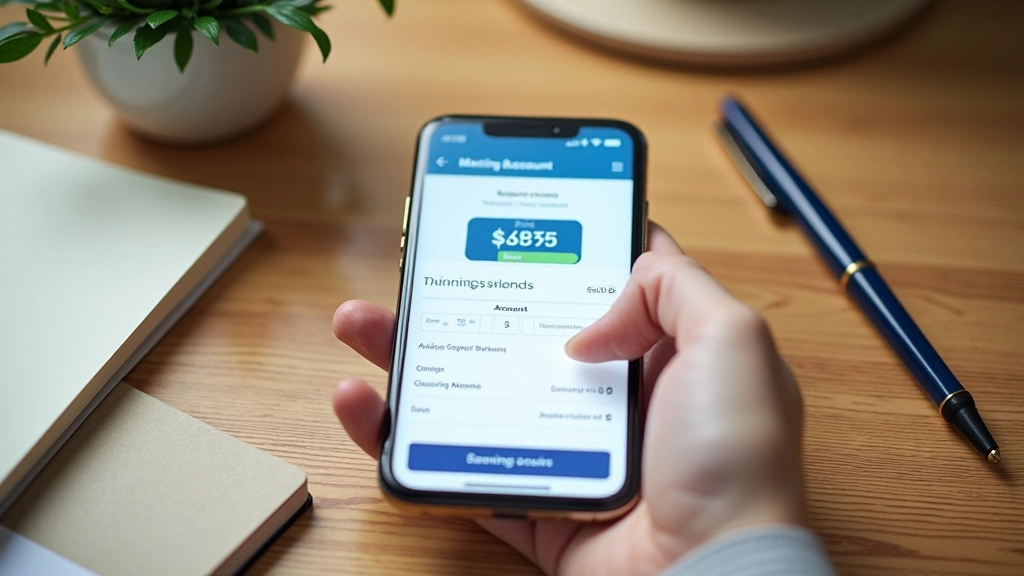
Set up an automatic transfer on payday. Even €50 per month adds up to €600 per year. Most banks in Portugal let you do this in 5 minutes through their online portal. Choose the amount — start small if you need to. €25 is fine. The important part is creating the habit.
Transfer the money to a different bank account. Seriously. Don't keep savings in your spending account. When it's in a separate account, your brain treats it differently. It feels less accessible. Less like "money I can use." This psychological trick is powerful.
- Set transfer on the 1st of each month
- Use a different bank if possible
- Start with what feels easy, not ambitious
- Increase by €5-10 every few months

02
Plan for Seasonal Expenses
This is where most people stumble. They'll save successfully for 6 months, then Christmas hits and suddenly they're pulling from savings to cover gifts and holiday meals.
Instead, identify your predictable large expenses. For Portuguese families, these typically include: back-to-school costs (September), Christmas spending (December), summer vacation funds, car registration renewals, and annual insurance payments.
Calculate the total for each. Divide by 12. Add that amount to your monthly budget as a "sinking fund" — money set aside specifically for these predictable costs. If Christmas costs €600 and it happens once per year, you're setting aside €50 per month. When December arrives, the money's already there. No stress. No surprise debt.
Create a simple spreadsheet or use a notes app. List each big expense, the month it occurs, and the monthly amount you need. Review it every quarter.
03
The 30-Day Rule for Non-Essential Purchases
Impulse buying is the silent budget killer. You're not spending recklessly — you're just picking up things that "catch your eye" at the store. €15 here, €20 there. By month's end, you've spent €200 on stuff you didn't plan for.
Implement the 30-day rule. Want something that isn't essential? Write it down. Wait 30 days. If you still want it, buy it. Most of the time, you won't. You'll forget about it entirely. The craving passes. This single habit saves families €50-100 per month.
Keep a list on your phone. When you see something you want, add it immediately. Check the list once a month. Delete the items you don't actually need. Buy the ones you still want.



Educational Information
This article provides general educational information about household budgeting and savings strategies. It's not personalized financial advice, and your specific situation may differ. Circumstances vary based on income, location, family size, and financial goals. For advice tailored to your specific circumstances, consult with a qualified financial advisor. The techniques described here are starting points — adapt them to what works for your household.
Start Small, Build Big
Savings doesn't have to be complicated. You don't need to earn a huge income or live like a monk. You need three things: a system that works automatically, awareness of your predictable expenses, and a way to stop impulse purchases.
Start with one strategy. Automate €25 per month. Get comfortable with it. After a month, add the 30-day rule. After another month, set up your seasonal expense fund. Each addition builds on the last one. By the end of three months, you've created a sustainable system that actually works.
Most Portuguese families who succeed at saving don't earn significantly more than their neighbors. They've just implemented systems that work. You can too. The best time to start was yesterday. The second best time is today.
Explore More Budget Guides