
Financial Planning
Tracking & Managing Your Monthly Expenses
Stop guessing where your money goes. We'll walk you through tracking methods that reveal spending patterns and help identify areas to cut back.

Why Tracking Matters
You probably know roughly how much you earn each month. But do you know exactly where it goes? Most people don't — and that's the biggest barrier to taking control of their finances.
Tracking isn't about being obsessive or depriving yourself. It's about seeing clearly. When you see where your money actually goes, you can make real decisions. Maybe you'll cut back on coffee delivery. Maybe you'll negotiate a better insurance rate. Or maybe you'll realize you're spending three times what you thought on subscriptions.
The good news? You don't need fancy apps or spreadsheets to start. We're going to show you simple methods that work in real life.

01
The Receipt Method
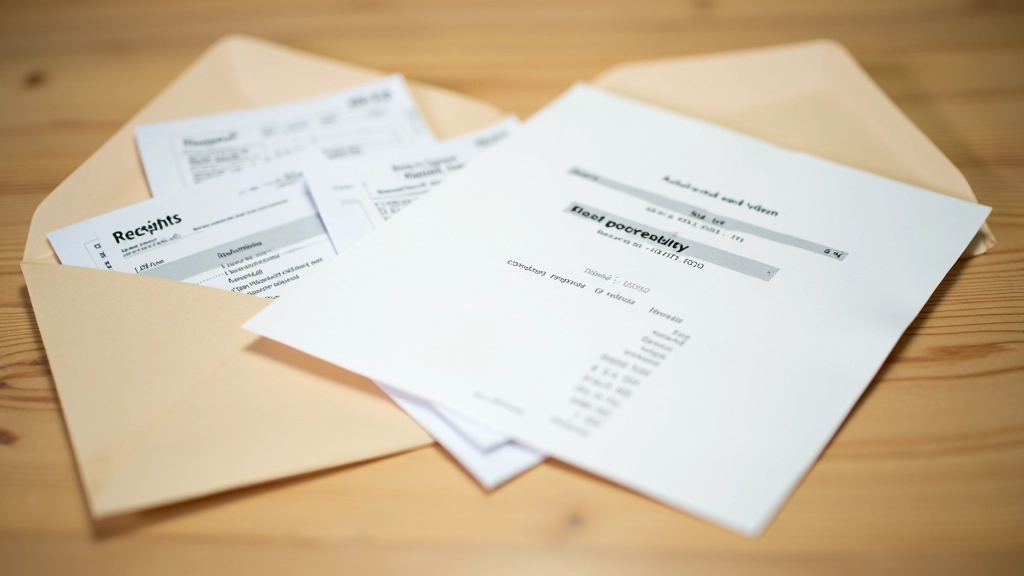
This is the simplest approach and it's surprisingly effective. Every receipt you get — grocery store, café, pharmacy, fuel — keep it. Don't throw it away.
At the end of the month, grab a pen and piece of paper (or a spreadsheet if you prefer). Sort your receipts into categories: food, transport, household, entertainment, health, clothing. Add them up. You'll get a clear picture of what you actually spent.
The beauty here is simplicity. No apps. No subscriptions. Just receipts and honest counting. Many people are shocked when they see how much they've spent in certain categories. That awareness itself creates change — you'll start thinking twice before making purchases because you know you're going to count it.
The downside? You'll miss online purchases unless you keep digital receipts. And if you pay cash without getting a receipt, that spending vanishes from the record. Still, this method catches probably 70-80% of your actual expenses, which is enough to start making better decisions.
02
The Bank Statement Review

This is the digital version and it's become easier since most banks now have detailed transaction history available online. Log into your bank account, pull the last three months of statements, and export them if possible.
Here's what you're looking for: patterns. That €25 charge every week — what is that? The recurring subscription you forgot about? The gym membership you're not using? These recurring charges add up fast.
You'll also see cash withdrawals, which is useful information. If you're withdrawing €100 cash every week but have no idea where it goes, that's a red flag. Some people use the "envelope system" for cash — once the cash is gone, that category is done for the month.
The advantage of bank statements is completeness — they catch everything except pure cash spending. The disadvantage is they don't show you the "why" behind purchases. You'll see the charge, but you won't remember if it was an emergency expense or something unnecessary.
Disclaimer
This article is educational and informational in nature. The methods described are suggestions for personal financial organization and do not constitute professional financial advice. Individual financial situations vary significantly based on personal circumstances, income, and obligations. For guidance specific to your situation, particularly regarding debt management, investment decisions, or significant financial changes, consult with a qualified financial advisor or certified accountant familiar with Portuguese tax and financial regulations.
03
The Spreadsheet Approach
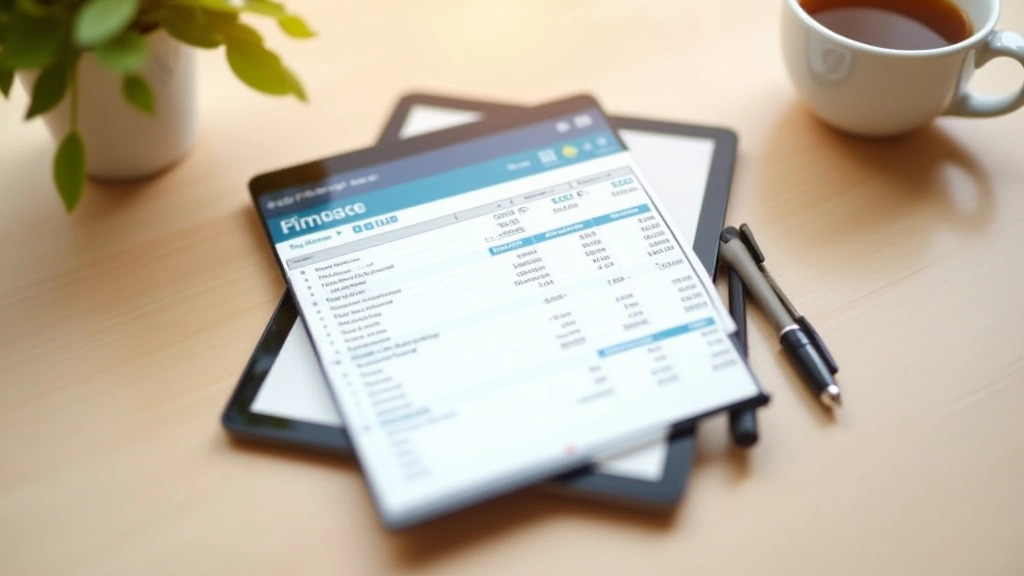
If you want more control and real-time tracking, a simple spreadsheet works beautifully. You don't need fancy formulas or templates. Just three columns: Date, Description, Amount, Category.
Every time you spend money, you add a line. Bought groceries? €45 to Groceries. Paid for parking? €3 to Transport. The key is doing it soon after spending — not trying to remember everything at month-end.
At the bottom of your spreadsheet, add a simple SUM formula for each category. That's it. You'll immediately see your spending broken down. Many people find they can spot their biggest expense categories in seconds and identify areas where they're overspending.
The spreadsheet method takes maybe 5-10 minutes daily if you're keeping up with it. The payoff is you know exactly where you stand at any moment, not just at month-end. Some people love this level of detail. Others find it tedious. Try it for a month and see if it fits your style.
04
Finding Your Spending Patterns
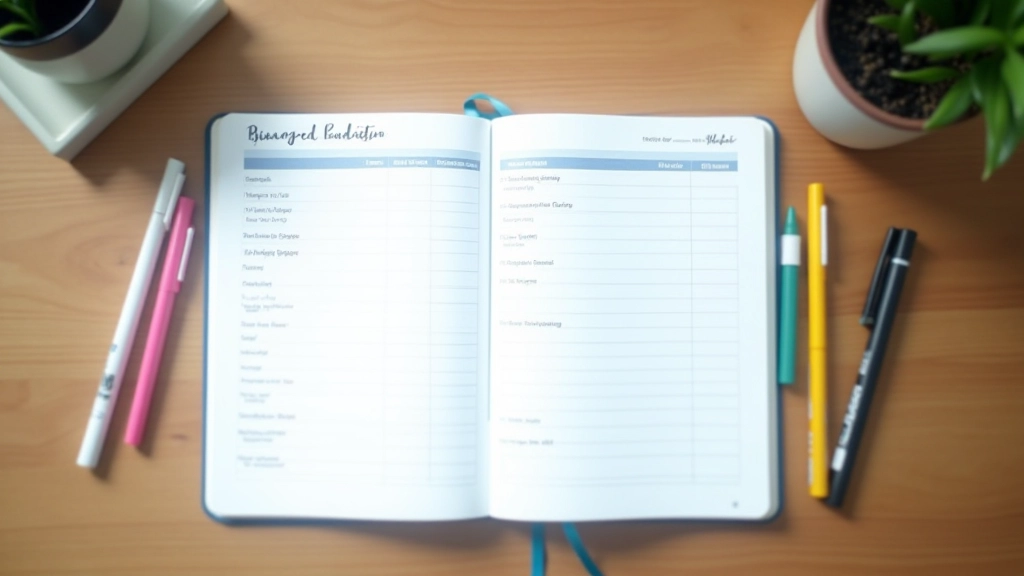
Once you've tracked for a month or two, patterns emerge. You'll see that groceries consistently run €200-250 weekly. Electricity is always €80-120 depending on the season. Restaurants and takeout tend to cluster on weekends.
This is valuable information. It tells you what's fixed (rent, insurance, utilities) and what's variable (food, entertainment, shopping). Fixed expenses are hard to cut. Variable expenses? That's where real savings happen.
You might also notice patterns in your weaknesses. If you consistently spend €60-80 on non-essential shopping on Thursdays, that's a pattern worth understanding. Are you stressed? Bored? Tired from work? Understanding the "why" helps you address it.
Many people find that simply tracking creates automatic behavior change. When you know you're writing down every purchase, you think twice. You'll likely spend less without even trying because you're more conscious of the money flowing out.

Taking the First Step
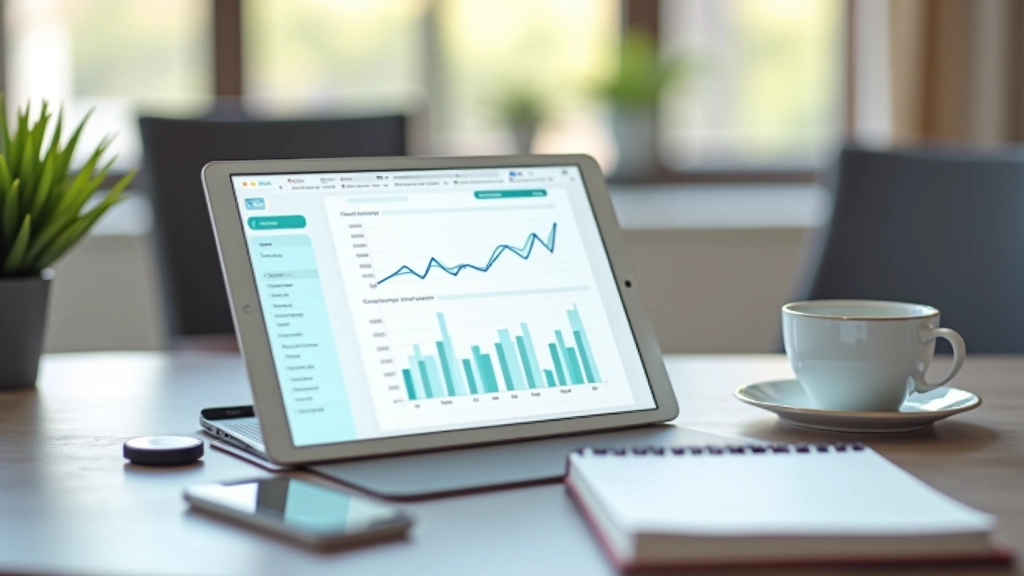
You don't need to track perfectly. You don't need to use all three methods. Pick one that feels sustainable for you. If the receipt method sounds too tedious, use your bank statements. If you want real-time awareness, try the spreadsheet.
The important thing is starting. Even imperfect tracking beats guessing. Even tracking 80% of your expenses gives you insight that changes how you spend money. After a month or two, you'll see patterns that weren't visible before. You'll spot waste you didn't know existed. And you'll have concrete information to make decisions from.
This is the foundation of taking control of your finances. It's not glamorous. It's not complicated. It's just honest accounting. And it works.